


[챕터2] 엘레나 후르토바
KOR
ENG
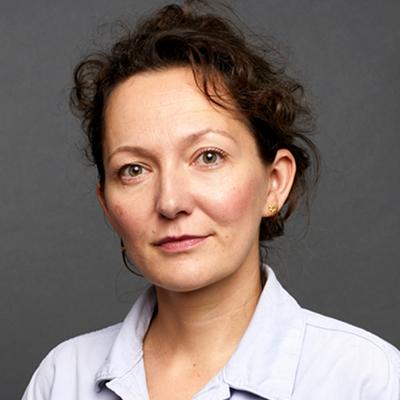
엘레나 후르토바는 흙을 단순한 재료가 아니라 인간과 환경의 관계를 품은 살아 있는 기록으로 바라봅니다. 작가는 흙을 만지고 누르고 돌보는 반복적인 작업을 통해, 토양이 사람의 손길과 주변 환경에 반응하며 변화하는 모습을 탐구해 왔습니다.
이번 전시에서는 경기도 양평, 여주, 김포, 강원도 양구 등 DMZ와 관련된 지역에서 가져온 흙으로 만든 토양 블록을 선보입니다. 1953년 정전협정 이후 오랫동안 군사적 통제로 사람의 접근이 제한되어 온 DMZ는 전쟁과 분단의 기억이 남아 있는 곳인 동시에, 역설적으로 생태적 회복의 가능성을 품은 장소이기도 합니다. 작가는 이곳을 전쟁과 분단의 역사, 그리고 생태적 변화가 여러 겹으로 쌓인 풍경으로 바라봅니다.
작가는 한국 곳곳에 남아 있는 장벽과 대전차 장애물을 조사하고, 그 형태를 토양 블록으로 옮겼습니다. 블록들을 가까이에서 살펴보세요. 지역마다 다른 흙의 색과 입자, 표면에 생긴 균열과 질감이 드러납니다. 서로 다른 장소에서 가져온 흙은 각기 다른 역사와 환경을 품으면서도, 결국 하나로 이어진 땅의 일부입니다.
이 블록들은 틀 안에 흙을 조금씩 넣고 반복해 다지는 ‘흙다짐’ 방식으로 만들었습니다. 정교하게 형태를 잡아도 흙의 수분과 입자에 따라 결과는 달라지고, 완성된 뒤에도 표면은 갈라지며 계속 변합니다. 작가는 이 과정에서 형태를 통제하려는 힘과, 흙의 상태를 살피고 그 반응에 맞춰 작업하는 돌봄 사이의 긴장에 주목합니다.
단단히 다져진 블록과 그 표면에 생긴 균열을 함께 바라보며, 이 땅에 쌓인 기억과 우리가 땅을 어떻게 대하고 돌볼 것인지 생각해 보세요.
Elena Khurtova sees soil not simply as a material, but as a living record of the relationship between humans and the environment. Through repeated acts of touching, pressing, and tending the earth, she explores how soil responds to human touch and its surroundings, continually changing over time.
For this exhibition, Khurtova presents soil blocks made from earth gathered in areas associated with the DMZ, including Yangpyeong, Yeoju, and Gimpo in Gyeonggi Province, and Yanggu in Gangwon Province. Since the 1953 armistice, access to the DMZ has been restricted under military control. It is a place marked by memories of war and division and, paradoxically, one that holds the potential for ecological recovery. Khurtova sees it as a landscape where histories of war and division overlap with ecological change.
The artist researched walls and anti-tank obstacles found across Korea and translated their forms into soil blocks. Take a closer look at the blocks. You can see differences in the color and grain of the soil from one region to another, along with cracks and textures across their surfaces. Though gathered from different places, these soils carry distinct histories and environments while remaining part of the same land.
The blocks were made using a rammed-earth technique, in which soil is added to a mold a little at a time and repeatedly compacted. Even when the form is carefully controlled, the result varies depending on the soil’s moisture and grain, and the surfaces continue to crack and change after the blocks are completed. Khurtova focuses on the tension between controlling the form and caring for the soil by observing its condition and responding to the material.
As you look at the tightly compacted blocks and the cracks across their surfaces, consider the memories held in this land and how we choose to treat and care for it.

