


[챕터3] 박승모
KOR
ENG
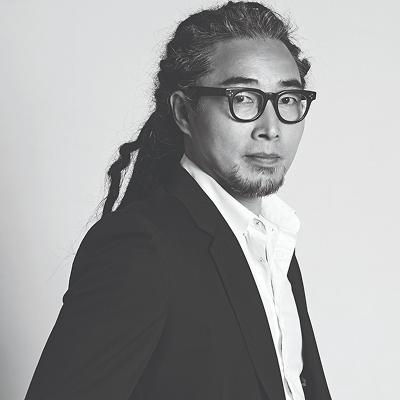
박승모에게 흙은 어린 시절의 기억이 담긴 첫 번째 그림 재료입니다. 작가는 경남 산청 생초면의 집 앞에서 나뭇가지로 땅에 그림을 그리며, 땅에 난 균열과 흠집처럼 쉽게 지나칠 수 있는 흔적에 관심을 가져왔습니다. 지금도 땅과 건물, 사물에 남겨진 상처와 흔적을 바라보고 기록하며, 이러한 관심을 작업으로 이어가고 있습니다.
〈공에 새긴 기록〉은 수백 개의 상자 형태를 층층이 쌓아 하나의 사원과 같은 구조를 만든 대형 설치입니다. 벽돌로 쌓은 전통 탑인 ‘전탑’을 거꾸로 뒤집은 듯 아래쪽은 좁고 위로 갈수록 넓어집니다. 바깥쪽에는 거친 흙과 테라코타의 질감이 드러나는 반면, 안쪽은 매끄러운 세라믹 표면으로 이루어져 서로 다른 감각을 만들어냅니다.
이 구조를 이루는 흙은 본래 쉽게 부서지고 흩어지지만, 불을 만나면 단단해집니다. 작가는 이 변화를 단순한 재료의 변화가 아니라, 상처와 불안정함이 또 다른 견고함으로 바뀌는 과정으로 바라봅니다. 여러 요소가 층층이 모여 하나의 구조를 이루지만, 작가는 이를 완성된 건축물이라기보다 쌓이고 무너지는 과정이 계속 이어지는 구조로 바라봅니다. 생성과 소멸, 상처와 회복이 한 작품 안에서 함께 이어지는 것입니다.
작품의 안과 밖을 천천히 둘러보세요. 거친 표면과 매끄러운 표면, 단단한 구조와 그 안의 빈 공간을 함께 바라보세요. 그리고 작품에 남은 균열과 흔적을 단순한 파괴의 모습이 아니라, 시간이 지나고 여러 흔적이 쌓여온 자리로 바라보세요.
For Seungmo Park, soil was his first drawing material, one that carries memories of his childhood. As a child, he drew on the ground with twigs in front of his home in Saengcho-myeon, Sancheong, paying attention to easily overlooked traces such as cracks and scratches in the earth. Even today, he continues to observe and record the scars and traces left on the ground, buildings, and objects, carrying this interest into his work.
Inscribed into Emptiness is a large-scale installation made by stacking hundreds of box-like forms into a structure resembling a temple. Like a traditional brick pagoda turned upside down, it is narrow at the bottom and gradually widens as it rises. The exterior reveals the rough textures of earth and terracotta, while the interior is composed of smooth ceramic surfaces, creating a striking contrast.
The clay that forms this structure is naturally fragile and easily crumbles, but becomes hard when fired. Park sees this not simply as a change in the material, but as a process in which wounds and instability are transformed into a different kind of strength. Although many individual elements come together to form a single structure, he sees it not as a finished piece of architecture, but as something that continues to be built up and broken down. Creation and dissolution, wounds and recovery, coexist within the work.
Take your time moving around both the inside and outside of the work. Notice the contrast between rough and smooth surfaces, the solid structure and the empty space within it. Consider the cracks and traces not simply as signs of destruction, but as places where time has passed and traces have accumulated.

