


[Chapter.2 Project] Wind, Light, Earth
ENG
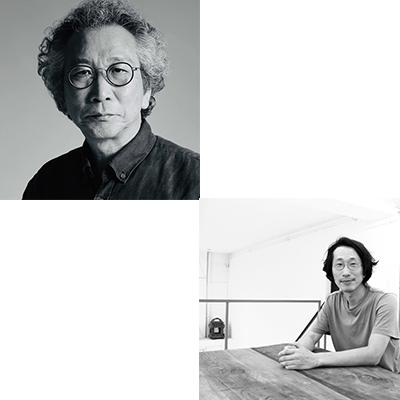
The special project Wind, Light, Earth, part of Chapter Two, Made by Earth, brings together architect Youngchul Jang’s hanok pavilion, Piljeong, and the Buncheong works of ceramic artist Sungjae Choi.
We often think of a landscape as a scene that unfolds before our eyes. Here, however, landscape is something shaped by wind and light, architecture and ceramics, and by how people move through and look at the space.
Youngchul Jang focuses on the principles of traditional Korean timber architecture and on how people physically experience space. Piljeong is a timber structure designed to be assembled and dismantled. Its three-bay layout and elements recalling an open wooden hall, rear porch, folding doors, courtyard, and walls connect inside and outside rather than separating them.
Beyond the museum’s second-floor terrace, the lawn, trees, and forest become part of the view through the windows and doors of Piljeong. In traditional Korean architecture, bringing the surrounding landscape into a space in this way is known as chagyeong, or “borrowed scenery.” As the light, weather, wind, and your viewing position change, so does the landscape.
Now turn your attention inside Piljeong. On one side, you will see Sungjae Choi’s Buncheong works in a range of sizes. Similar forms are gathered together, while their different surfaces and marks create a landscape of their own.
Choi applies white slip over iron-rich clay, then uses his hands, broad brushes, branches, and other tools to leave lines and marks before the surface dries. Brushstrokes, scratches, the pressure and speed of his hands, and even moments of pause and breath are recorded in the clay.
What the artist captures in clay is not a literal representation of the landscape before him. It is closer to an inner landscape, shaped by scenes he has observed, memories, bodily sensations, and the passage of time.
On the other side of Piljeong, ceramic works for tea are arranged with traditional low tables. Here, ceramics are more than objects to look at. They become part of a setting where people can sit, spend time, share tea, and talk with one another.
In this way, two layers of landscape overlap. One is the natural landscape brought inside through the windows of Piljeong. The other is the inner landscape that emerges in clay through Choi’s hands and memories.
Wind, Light, Earth is the first collaborative project between the Korea Ceramic Foundation and the Seoul Museum of Craft Art. When architecture and ceramics come together in one space, and people pause, move, and share stories between them, a new landscape takes shape.

